- Empty cart.
- Continue Shopping
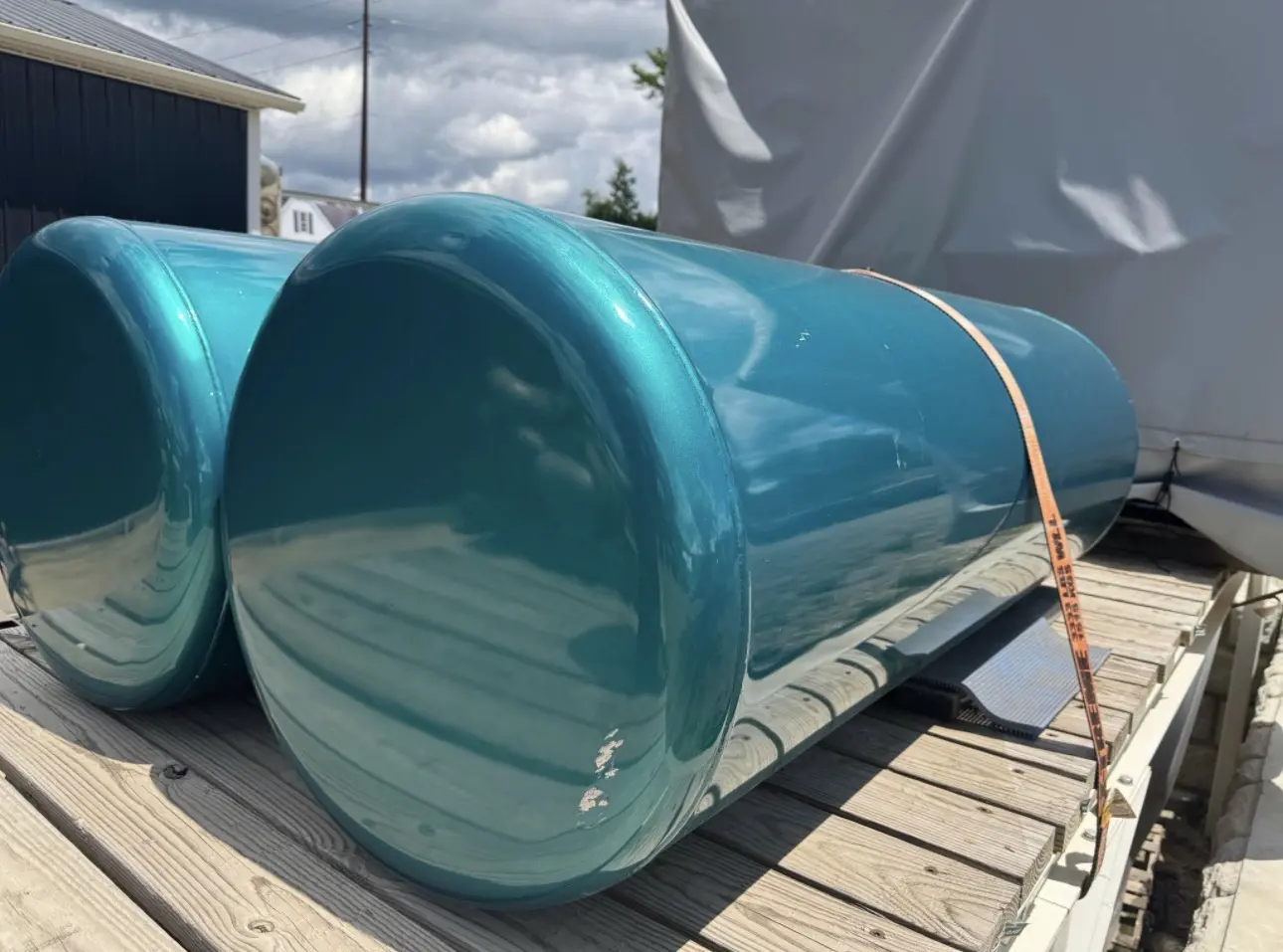
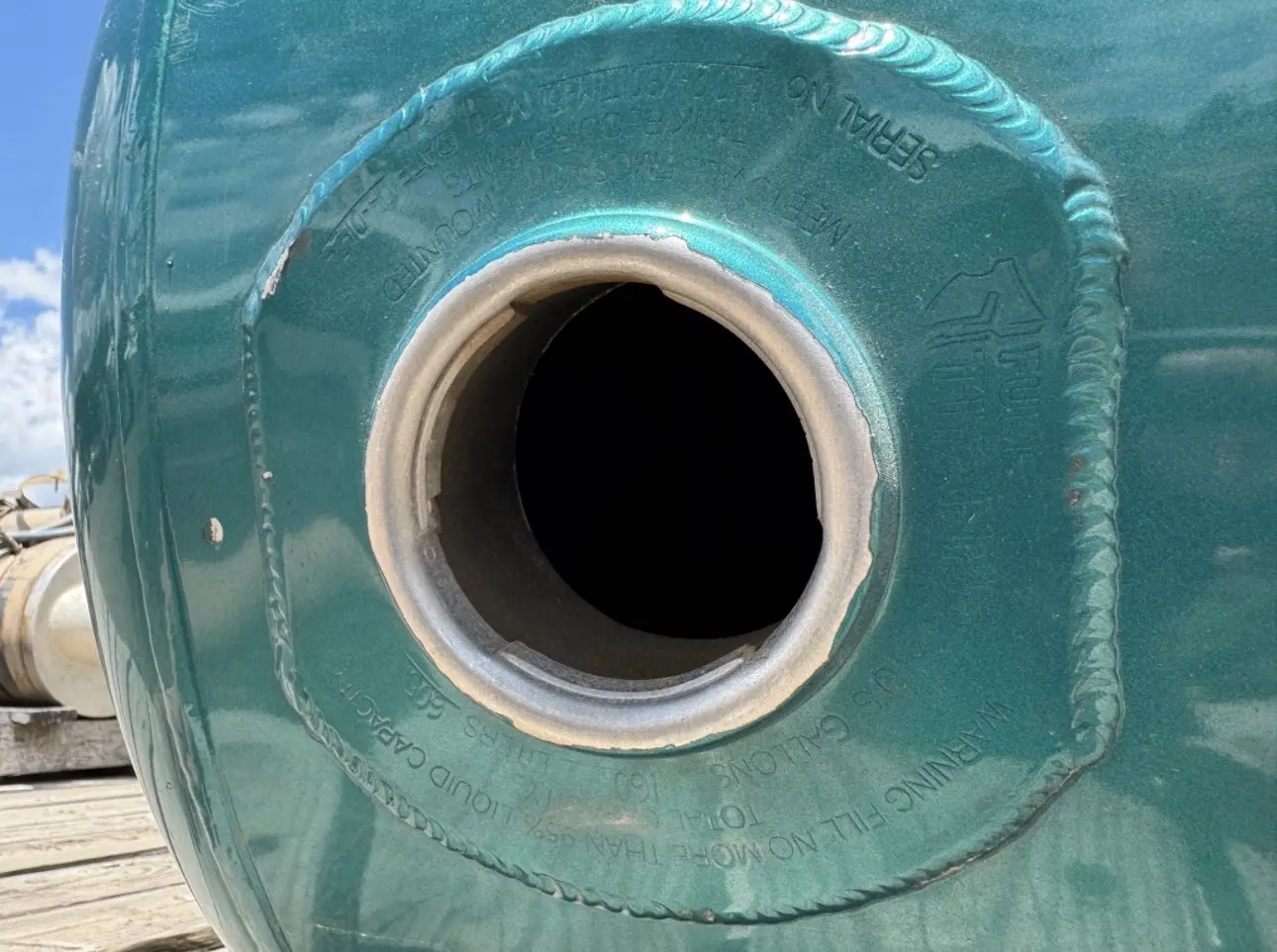
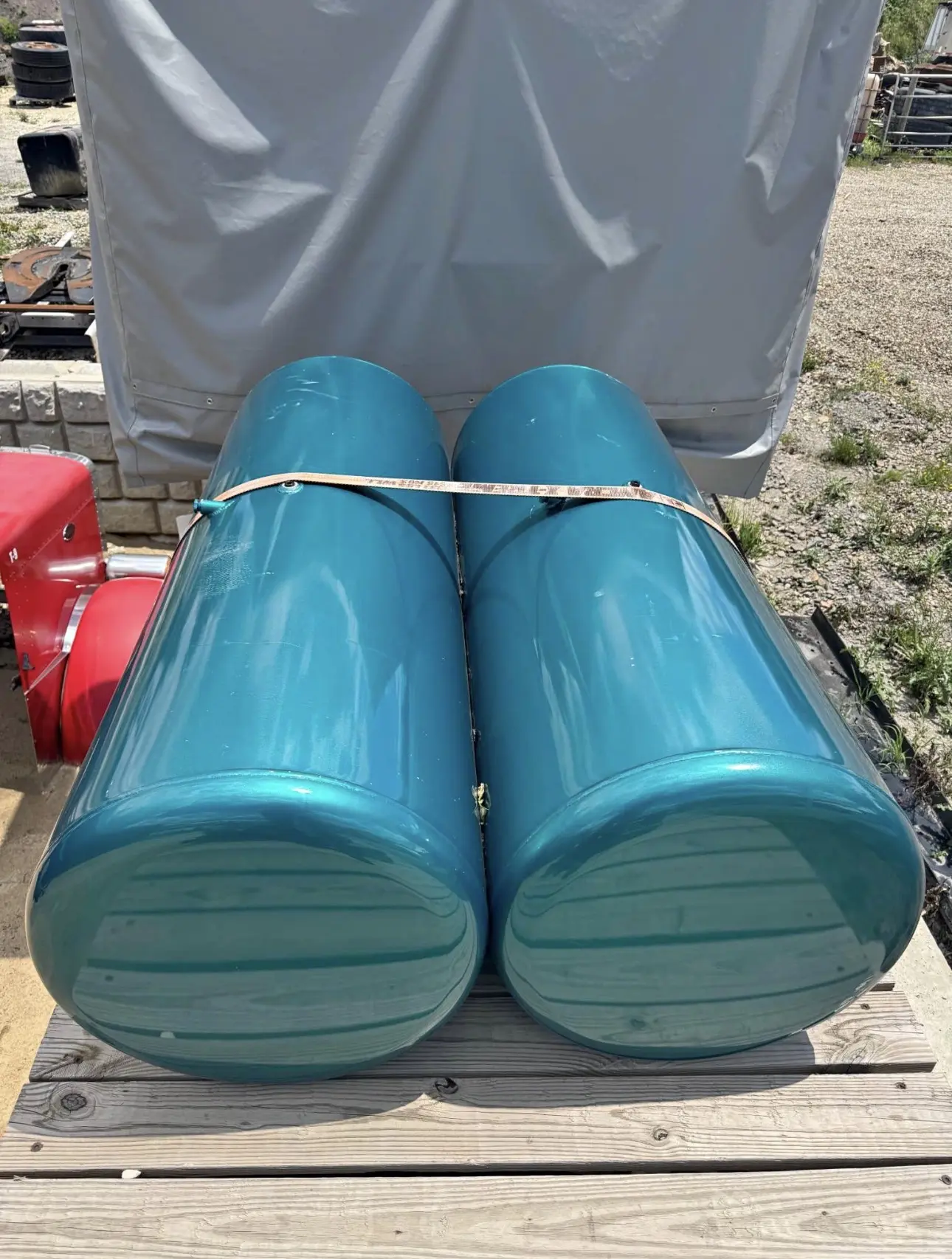
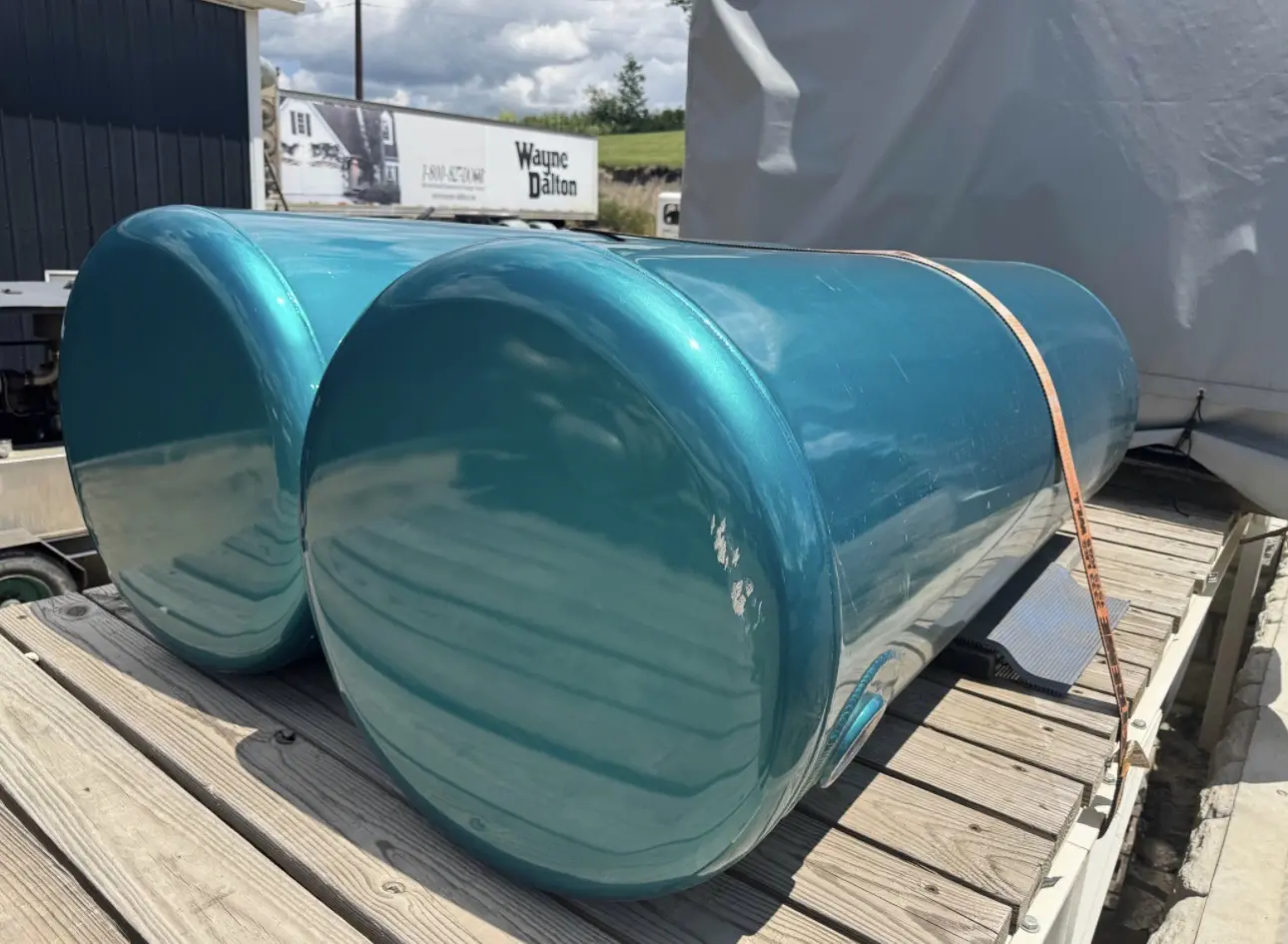
150gal Peterbilt Fuel Tanks
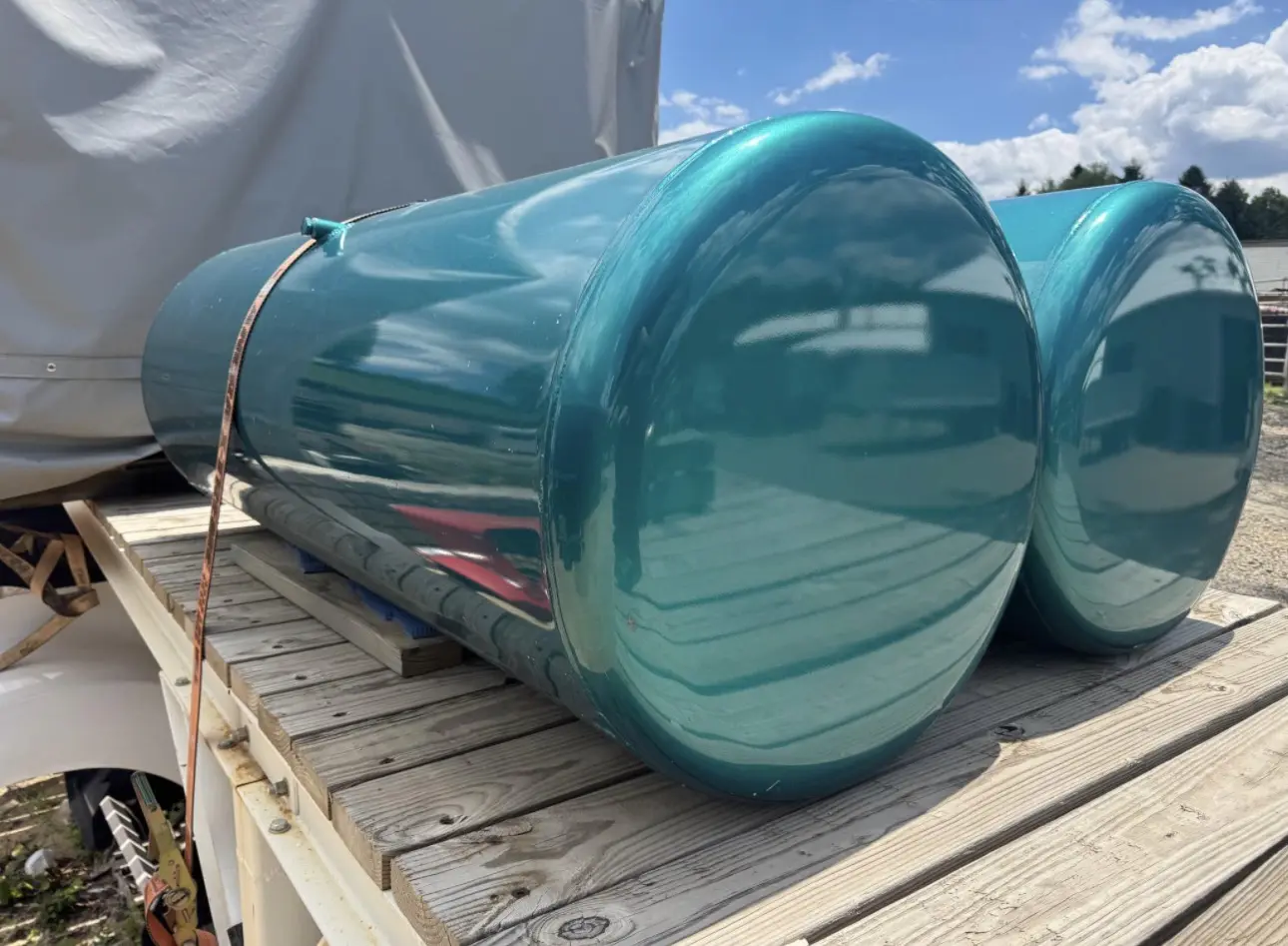
150gal Peterbilt Fuel Tanks
$1,000.00
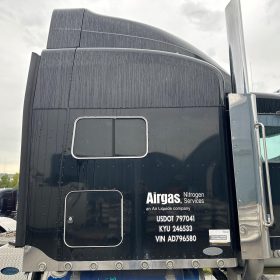
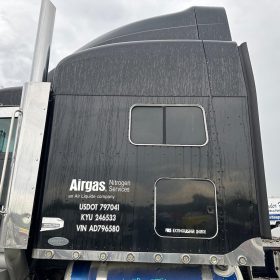
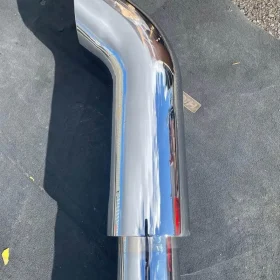
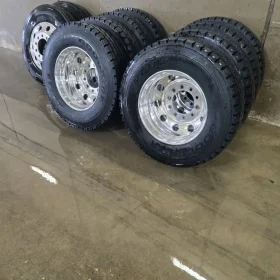
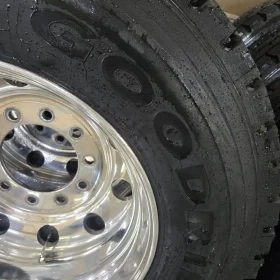
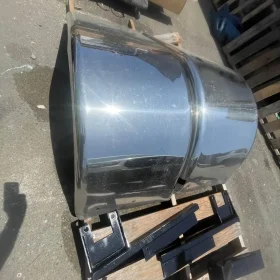
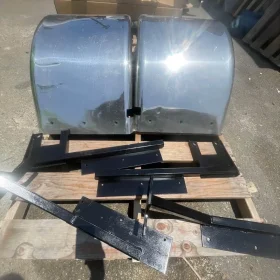
150 gallon 26” diameter fuel tanks for a Peterbilt built by Titan Tanks.
These were painted and installed but never run on the road. We replaced them with shorter tanks which is the reason for selling them. We can paint them any color if you need it.
Add to cart
Guaranteed Safe Checkout

Free
Worldwide Shopping
100%
Guaranteed Satisfaction
30 Day
Guaranteed Money Back
150 Gal Peterbilt Fuel Tanks
Looking for reliable 150 gal Peterbilt fuel tanks for your heavy-duty truck? A properly sized fuel tank is essential for commercial trucks that need dependable fuel capacity for long-distance hauling, regional transportation, and demanding work applications. Whether you are replacing a damaged tank, repairing an older Peterbilt, or upgrading your truck’s fuel capacity, a quality 150-gallon fuel tank can be a practical solution.
Peterbilt trucks are known for their heavy-duty construction, distinctive styling, and ability to handle demanding transportation applications. Fuel tanks are an important part of these trucks, providing the storage capacity needed to keep the engine supplied with fuel throughout daily operations. Choosing the correct tank requires careful attention to capacity, dimensions, mounting configuration, and truck compatibility.
Quality 150 Gal Peterbilt Fuel Tanks
150 gallon Peterbilt fuel tanks provide substantial fuel storage for trucks that require extended operating range. A 150-gallon tank can be suitable for various heavy-duty applications, depending on the truck’s configuration and fuel requirements.
Fuel tanks are exposed to road debris, moisture, vibration, changing temperatures, and other conditions during normal truck operation. Over time, these conditions can contribute to dents, corrosion, wear, or damage. Replacing a damaged or deteriorated tank can help restore the truck’s fuel storage system and improve the overall condition of the vehicle.
When choosing a replacement tank, it is important to verify that the tank is suitable for your particular Peterbilt model. Capacity alone does not guarantee fitment.
Used 150 Gallon Peterbilt Fuel Tanks
A used 150 gallon Peterbilt fuel tank can be an economical option for truck owners who need a replacement component. Used heavy-duty truck parts are commonly used by owner-operators, fleet managers, repair shops, and restoration enthusiasts looking for practical replacement solutions.
The condition of a used fuel tank can vary depending on its previous application and age. Before purchasing, inspect the tank for dents, corrosion, cracks, leaks, damaged fittings, and signs of previous repairs.
Mounting areas should also be checked carefully. Damaged brackets, straps, or mounting points can make installation more difficult. If hardware is not included with the tank, determine what additional components may be required.
For a working truck, a structurally sound tank may be more important than minor cosmetic imperfections. However, any fuel tank should be inspected carefully before installation and use.
Why Choose a 150 Gallon Fuel Tank?
Fuel capacity is an important consideration for commercial truck operators. A 150-gallon fuel tank can provide a useful amount of fuel storage for trucks that travel significant distances between fuel stops.
Long-haul drivers may benefit from larger fuel capacity because it can reduce the frequency of fuel stops during extended routes. Regional and vocational trucks may also use 150-gallon tanks depending on their operating requirements and available frame space.
The appropriate fuel capacity depends on several factors, including truck configuration, route length, engine requirements, fuel consumption, payload considerations, and available mounting space.
Before upgrading to a larger tank, make sure the additional capacity is appropriate for your truck and does not interfere with other frame-mounted components.
Peterbilt Fuel Tank Fitment
Finding the right Peterbilt 150 gallon fuel tank requires more than matching the gallon capacity. Peterbilt trucks can use different fuel tank configurations depending on the model, year, chassis, and factory specifications.
Important measurements and specifications can include:
- Fuel tank capacity
- Tank diameter
- Overall length
- Tank height
- Tank material
- Mounting bracket location
- Filler neck position
- Fuel outlet configuration
- Strap dimensions
- Frame clearance
Measuring your existing fuel tank and the available frame space can help you identify a compatible replacement.
If you are replacing an existing tank, compare the replacement tank with the original whenever possible. Pay close attention to the location of fittings and mounting points, as even small differences can affect installation.
Aluminum and Steel Peterbilt Fuel Tanks
Peterbilt fuel tanks may be available in different materials, including aluminum and steel. Each material has its own characteristics, and the best choice depends on the truck’s original configuration and application.
Aluminum fuel tanks are commonly chosen for their relatively lightweight construction and appearance. Steel tanks can offer a durable option for demanding applications. When purchasing a used tank, the material should be considered alongside the tank’s condition and compatibility.
For aluminum tanks, inspect for dents, cracks, damaged fittings, and excessive surface oxidation. For steel tanks, pay particular attention to corrosion and areas where rust may have affected the tank’s structural condition.
Long-Haul and Heavy-Duty Applications
A 150 gallon Peterbilt fuel tank can be useful for trucks that spend substantial time on highways or operate in areas where fuel stops may be limited.
Long-haul trucks often require significant fuel capacity to support extended routes. A properly selected tank can provide the capacity needed for the truck’s operation while fitting securely within the available frame space.
For regional and vocational applications, the correct tank size may depend more heavily on daily mileage, work conditions, and available chassis space.
Regardless of the application, the tank should be properly mounted and connected to the truck’s fuel system.
Replacing a Damaged Peterbilt Fuel Tank
A damaged fuel tank should be addressed promptly. Common problems can include significant corrosion, visible leaks, severe dents, damaged mounting areas, or deteriorated fittings.
Replacing the tank with a quality 150 gal Peterbilt fuel tank can provide a practical solution for trucks that need a new fuel storage component.
Before installation, inspect the replacement tank and confirm that it matches the truck’s fuel system and mounting configuration. All connections should be secure, and the tank should be supported properly.
If you are unsure about fuel tank installation, consult a qualified heavy-duty truck technician.
Maintain Your Peterbilt Fuel Tank
Regular inspection can help extend the useful life of a truck fuel tank. Check the tank periodically for corrosion, dents, leaks, loose mounting hardware, damaged straps, and other visible problems.
Keeping the tank and surrounding frame area clean can also make it easier to identify potential issues. If you notice a fuel leak or significant structural damage, have the vehicle inspected before continuing normal operation.
Proper maintenance can help protect the fuel system and reduce the likelihood of unexpected problems on the road.
Shop 150 Gal Peterbilt Fuel Tanks
Whether you are repairing a working truck, replacing a damaged tank, or upgrading a heavy-duty Peterbilt, 150 gal Peterbilt fuel tanks can provide the fuel capacity needed for a variety of applications.
Before purchasing, verify the tank’s capacity, dimensions, material, mounting configuration, filler neck location, fuel connections, and overall condition. For used tanks, inspect the component carefully for corrosion, dents, cracks, leaks, and other damage.
Browse available 150 gallon Peterbilt fuel tanks and find a replacement that matches your truck’s specifications. With the right fit and configuration, a quality fuel tank can help keep your Peterbilt ready for long-haul routes, commercial work, and everyday heavy-duty operation.
Related products