- Empty cart.
- Continue Shopping

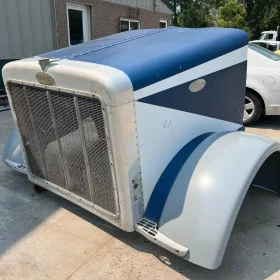
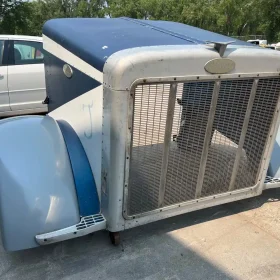
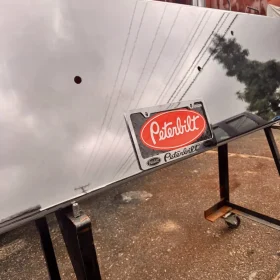
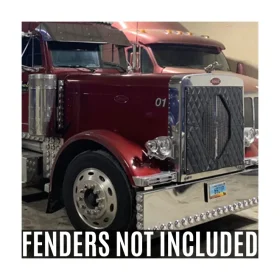
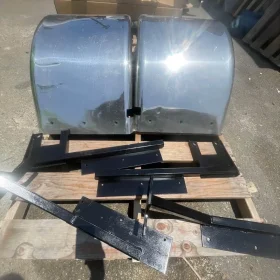
Super Road Train For Peterbilt 379
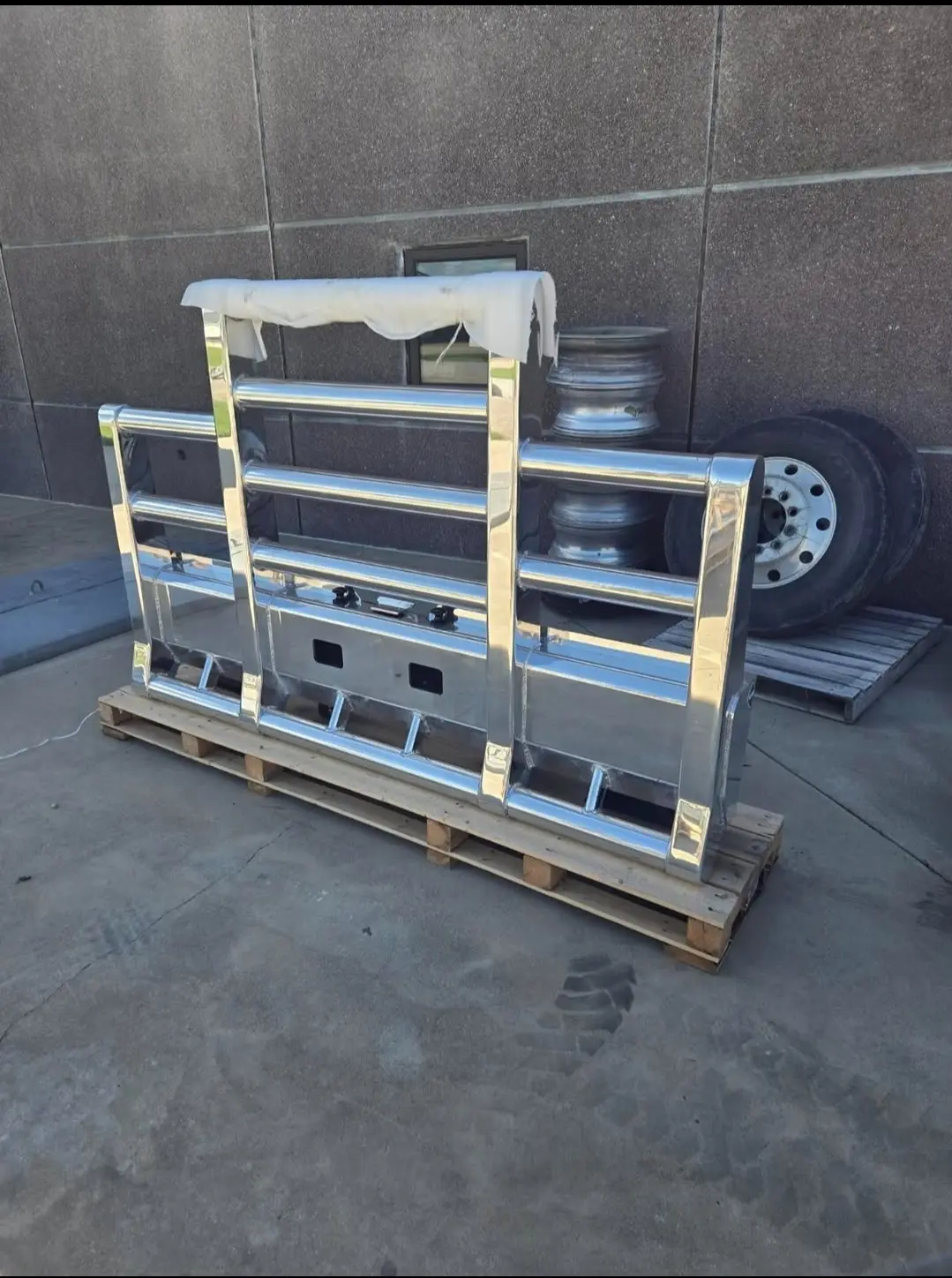
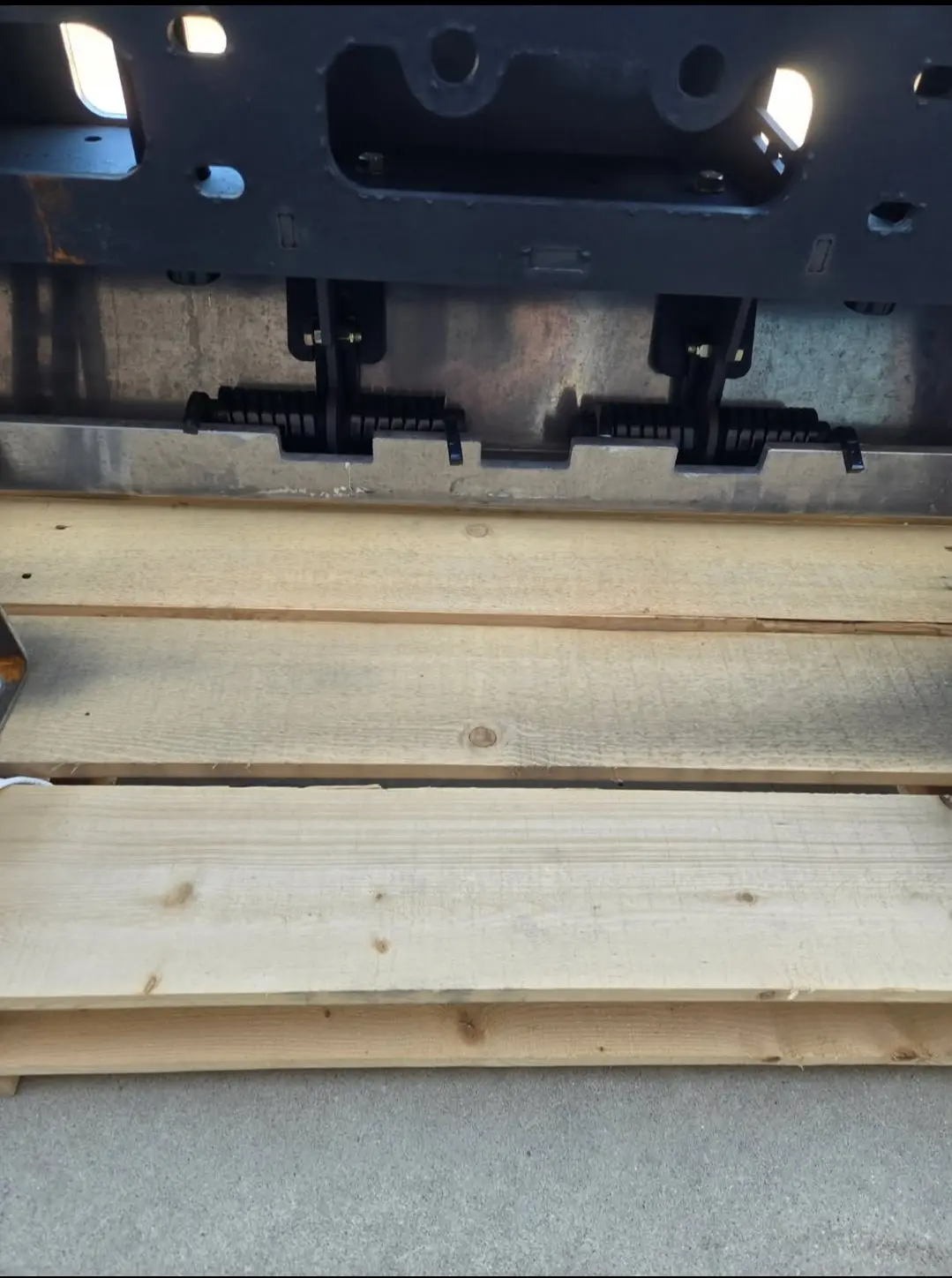
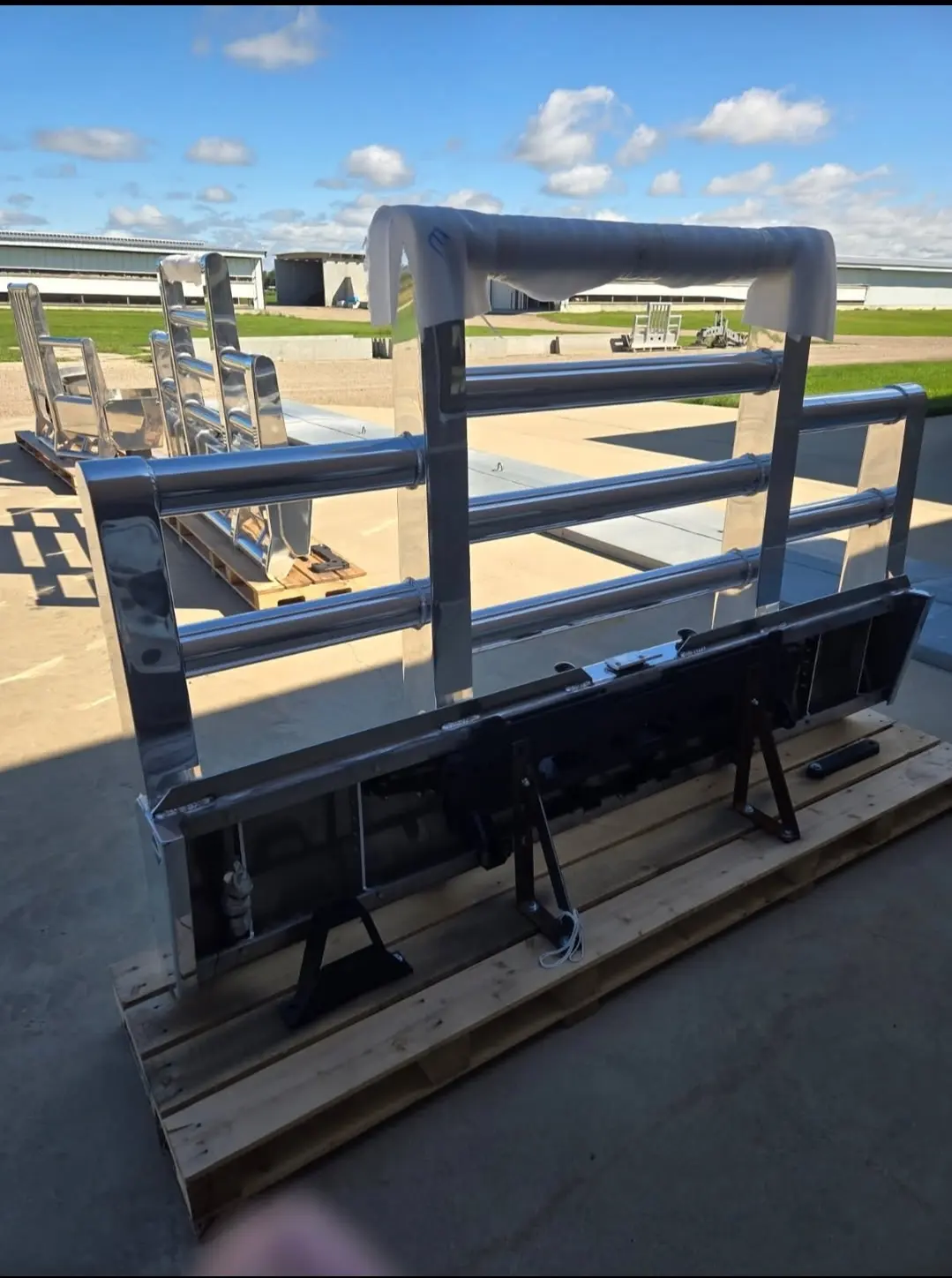
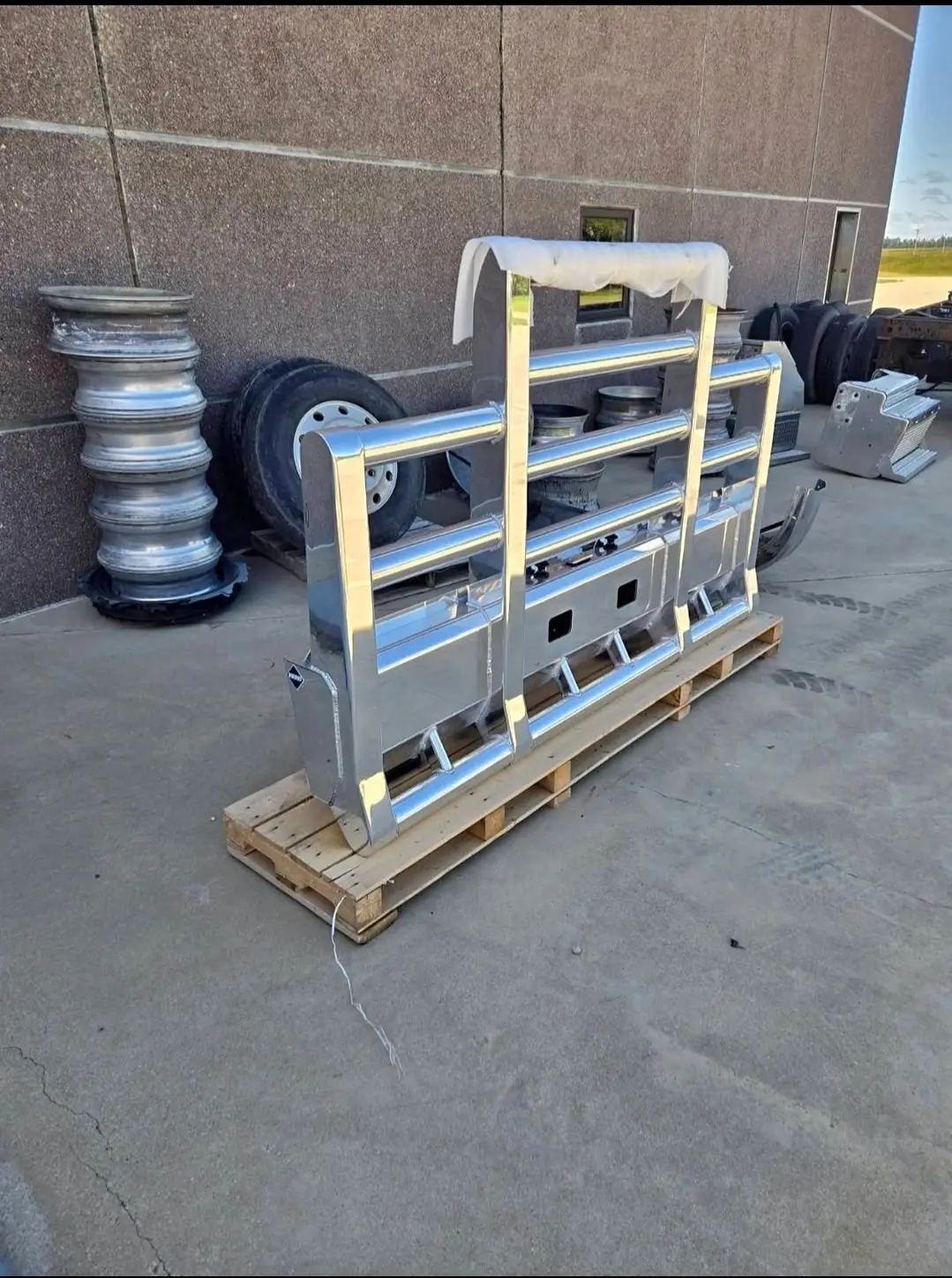
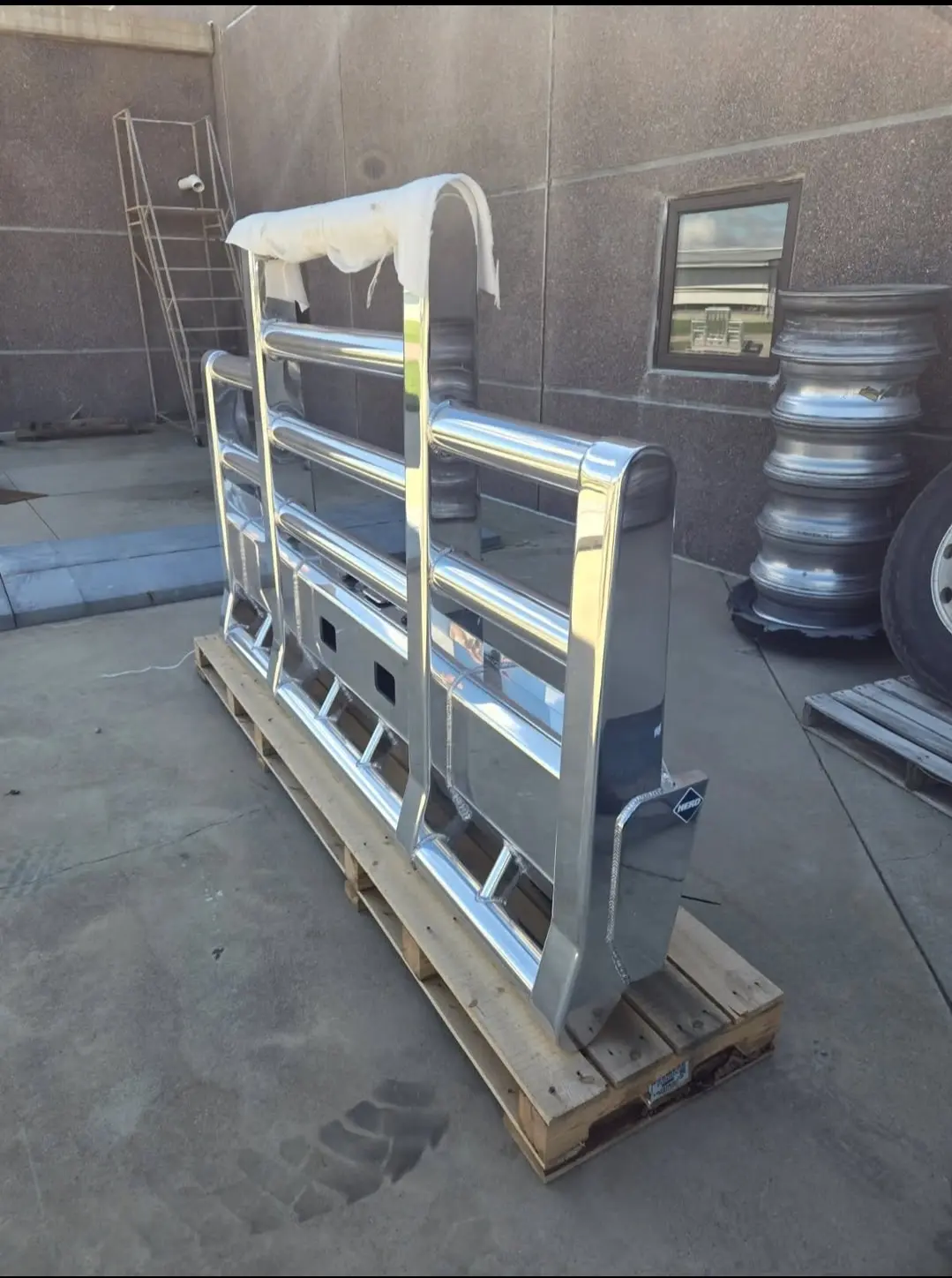
Super Road Train For Peterbilt 379
$4,000.00
Find Peterbilt 379 for Sale with powerful engines, classic styling, and reliable performance. Explore available models, features, prices, and deals online.
Add to cart
Guaranteed Safe Checkout

Free
Worldwide Shopping
100%
Guaranteed Satisfaction
30 Day
Guaranteed Money Back
Peterbilt 379 for Sale: Complete Guide to Buying a Classic Peterbilt Truck
Searching for a Peterbilt 379 for sale is often about more than finding a used semi truck. The Peterbilt 379 has earned a strong reputation among owner-operators, collectors, long-haul drivers, and trucking enthusiasts because of its distinctive styling, durable construction, spacious cab, and strong presence on the road. Although production ended years ago, demand for well-maintained 379 models remains strong in the used-truck market.
The Peterbilt 379 is particularly recognizable because of its long hood, traditional styling, large chrome grille, and wide range of available configurations. Buyers can find everything from standard highway tractors to customized show trucks and specialized vocational builds.
Whether you’re searching for a 379 Peterbilt for sale, a restored classic, or a work-ready used tractor, understanding specifications, condition, engine choices, mileage, maintenance history, and intended use is essential before making a purchase.
Why the Peterbilt 379 Remains Popular
The Peterbilt 379 became one of the most recognizable conventional trucks in North America. Its traditional long-nose design gives it a classic appearance that remains popular with professional drivers and trucking enthusiasts.
One of the biggest advantages of the 379 is its combination of customization potential and mechanical versatility. Over the years, these trucks were available with different engines, transmissions, rear-end configurations, wheelbases, sleeper options, and axle arrangements.
This makes the used market particularly diverse.
A buyer may encounter a short-wheelbase tractor designed for regional work, a long-wheelbase highway truck, a heavy-haul configuration, or a heavily customized show truck.
The truck’s appearance is another major attraction. Many owners customize their trucks with chrome accessories, custom lighting, upgraded interiors, polished wheels, exhaust systems, and specialty paint.
Peterbilt 379 vs. Peterbilt 579
When comparing Peterbilt 379 and Peterbilt 579, buyers are essentially comparing two different generations of Peterbilt design philosophy.
The 379 is known for traditional styling and a mechanical, classic-truck feel. The Peterbilt 579, by comparison, represents a newer generation of aerodynamic and technology-focused truck design.
The 579 typically appeals to operators who prioritize modern driver amenities, newer powertrain technology, fuel efficiency, and contemporary cab design. The 379 appeals strongly to drivers who prefer the classic conventional appearance and customization possibilities.
Neither model is automatically better for every buyer. The right choice depends on the truck’s intended application, operating costs, maintenance expectations, and personal preferences.
What to Look for When Shopping for a Peterbilt 379
When researching Peterbilt trucks for sale, don’t judge a truck solely by its appearance. A beautifully polished 379 can still require substantial mechanical work.
Start with the engine and drivetrain. Ask for maintenance records and determine whether major components have been rebuilt or replaced.
Important areas to inspect include:
- Engine condition
- Transmission
- Rear differentials
- Frame
- Suspension
- Steering
- Brakes
- Cooling system
- Electrical system
- Cab structure
- Sleeper
- Tires and wheels
- Fifth wheel
- Air system
A professional inspection before purchase can identify problems that aren’t obvious during a short test drive.
Mileage is also important, but it shouldn’t be the only consideration. A higher-mileage truck with extensive maintenance documentation can be a better investment than a lower-mileage truck with an uncertain history.
Used Peterbilt 379 for Sale
A used Peterbilt 379 for sale can range from a relatively straightforward work truck to a highly customized collector-style vehicle.
When comparing listings, look beyond the asking price.
Consider:
Engine: Identify the engine model, horsepower rating, maintenance history, and whether the engine has been rebuilt.
Transmission: Determine whether the transmission is manual or automated and check for signs of excessive wear.
Frame: Inspect for cracks, corrosion, modifications, or evidence of previous damage.
Cab: Check doors, windows, gauges, seats, HVAC equipment, and interior condition.
Sleeper: Examine the sleeper for water intrusion, structural problems, and worn interior components.
Suspension: Look for damaged components, uneven wear, and signs of excessive loading.
Tires: Tire condition can have a significant impact on the initial cost of ownership.
Documentation: Service records, ownership history, inspection records, and repair invoices can provide valuable insight into the truck’s condition.
Popular Peterbilt 379 Configurations
The used market includes many different Peterbilt models, but the 379 remains particularly appealing because of its broad configuration history.
Some buyers specifically search for a Peterbilt 379 day cab for sale because a day cab can be suitable for regional hauling, construction applications, short-distance freight, and other operations where a sleeper isn’t required.
A day-cab configuration can also offer a shorter overall length and potentially easier maneuverability.
Other buyers want a sleeper-equipped truck for long-distance transportation.
The right configuration depends heavily on the type of work you plan to perform.
1997 Peterbilt 379 and 1999 Peterbilt 379
Older examples such as a 1997 Peterbilt 379 or 1999 Peterbilt 379 can attract buyers interested in classic configurations and traditional mechanical systems.
The condition of an older truck is especially important. Age alone doesn’t determine whether a truck is a good purchase.
A well-maintained 1999 Peterbilt 379 with documented engine work, good tires, a solid frame, and a properly functioning drivetrain can be significantly more attractive than a neglected truck of the same year.
When evaluating an older truck, inspect for:
- Frame corrosion
- Cab rust
- Oil leaks
- Coolant leaks
- Worn suspension components
- Electrical problems
- Air-system leaks
- Transmission issues
- Previous accident damage
Older trucks can also benefit from extensive aftermarket support, allowing owners to restore or customize them according to their needs.
Peterbilt 379X and Customized Trucks
The Peterbilt 379X for sale market can be especially interesting to buyers looking for a highly customized appearance.
The 379X designation is associated with a premium, enthusiast-oriented version of the classic 379 platform. Customized trucks may feature upgraded interiors, distinctive exterior finishes, chrome accessories, polished components, custom lighting, and other enhancements.
However, customization should not replace mechanical evaluation.
A truck with thousands of dollars invested in appearance may still require significant drivetrain work. Buyers should separate cosmetic value from mechanical value when negotiating.
A professional inspection remains one of the smartest steps before purchasing any expensive used truck.
Big Semi Trucks and Heavy-Haul Applications
The 379 is also popular among people searching for big semi trucks capable of handling demanding transportation applications.
Depending on configuration, engine, transmission, axles, suspension, and weight ratings, a Peterbilt 379 may be configured for specialized hauling.
Heavy-haul buyers should pay particular attention to:
- Gross vehicle weight ratings
- Axle ratings
- Engine specifications
- Transmission gearing
- Rear-end ratios
- Frame configuration
- Fifth-wheel rating
- Suspension type
- Brake capacity
The truck must be appropriate for the loads and operating environment in which it will be used.
Super Road Train for Peterbilt 379
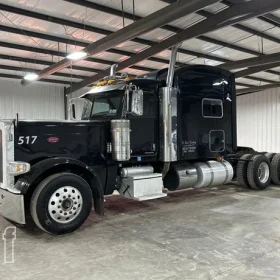
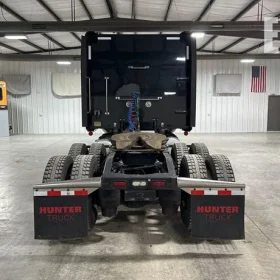
The phrase Super Road Train For Peterbilt 379 is associated with specialized heavy-duty and long-haul configurations rather than a standard factory specification.
Buyers interested in unusual configurations should carefully verify what is included in a listing. Terms used by sellers may describe aftermarket equipment, customized trailers, accessories, or specialized applications rather than a standard Peterbilt package.
Always confirm the actual truck specifications before making a purchase decision.
Peterbilt Service Trucks and Specialized Builds
Not every Peterbilt is used as a conventional highway tractor. Some trucks are converted or configured for specialized applications.
A Peterbilt service truck may be equipped with tool storage, compressors, cranes, hydraulic equipment, generators, or other equipment needed for field service operations.
These trucks can be useful in:
- Oilfield operations
- Construction
- Mining
- Equipment repair
- Utility work
- Heavy machinery maintenance
- Industrial services
When purchasing a specialized truck, inspect both the base vehicle and the additional equipment.
The service body, crane, hydraulic system, compressor, generator, and other components can significantly affect the truck’s overall value.
Where to Find Peterbilt Trucks for Sale
There are many ways to search for Peterbilt trucks for sale. Buyers can look through commercial truck dealerships, equipment marketplaces, private sellers, auctions, trucking forums, and specialized heavy-equipment websites.
When comparing listings, create a standardized checklist.
Record:
- Year
- Mileage
- Engine
- Horsepower
- Transmission
- Axle configuration
- Wheelbase
- Sleeper size
- Tire condition
- Asking price
- Maintenance history
- Location
This makes it easier to compare multiple trucks objectively.
A truck located farther away may initially appear cheaper, but transportation costs can change the final purchase price.
379 Peterbilts for Sale: Comparing Multiple Trucks
If you’re comparing several 379 Peterbilts for sale, don’t automatically choose the newest truck.
Instead, compare the total ownership proposition.
For example, one truck may have a lower purchase price but require immediate engine or transmission work. Another may cost more but have recent major repairs and excellent maintenance records.
Calculate potential immediate expenses before making an offer.
This approach helps prevent buyers from choosing a truck based only on its advertised price.
Maintenance and Ownership Considerations
Owning a classic Peterbilt requires a proactive maintenance approach.
Regular inspections should cover the engine, drivetrain, brakes, tires, suspension, steering, cooling system, electrical components, and air system.
Preventive maintenance can reduce the likelihood of expensive breakdowns.
Keep organized records of:
- Oil changes
- Filter replacements
- Brake work
- Tire replacements
- Transmission service
- Cooling-system repairs
- Suspension work
- Engine repairs
- Electrical repairs
Good records can also increase the truck’s appeal when you eventually decide to sell it.
Is a Peterbilt 379 Still Worth Buying?
For the right buyer, absolutely.
A Peterbilt 379 can make sense for someone who values classic styling, customization potential, mechanical familiarity, and the distinctive character of a traditional long-nose truck.
However, buyers should understand that an older truck may require more maintenance than a newer vehicle.
If your priority is the latest technology, fuel-efficiency features, modern safety systems, and contemporary driver amenities, a newer Peterbilt model may be more appropriate.
If your priority is classic styling and customization, the 379 remains difficult to replace.
Final Thoughts
Searching for a Peterbilt 379 for sale can lead to a wide variety of trucks, from work-ready tractors to restored classics and heavily customized show trucks.
The most important factor is condition. Whether you’re considering a 1997 Peterbilt 379, 1999 Peterbilt 379, a Peterbilt 379 day cab for sale, or a Peterbilt 379X for sale, inspect the mechanical components, frame, drivetrain, suspension, brakes, tires, cab, and service history before purchasing.
Buyers should also compare the 379 with newer Peterbilt 579 models and other Peterbilt models to determine which truck best matches their operating requirements.
For specialized applications, a Peterbilt service truck or heavy-haul configuration may offer advantages that a conventional highway tractor doesn’t.
Ultimately, the best Peterbilt isn’t necessarily the newest or cheapest truck. It’s the truck with the right configuration, a sound mechanical foundation, documented maintenance, and a price that makes sense for its intended use.
With careful research and a professional inspection, buyers can confidently navigate the market for Peterbilt trucks, find the right 379 configuration, and invest in a truck that fits both their business requirements and personal preferences.
Related products
Used 2006 Peterbilt 379 Hood
$4,850.00
Refrigerators
$300.00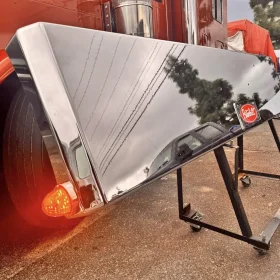
20” miter/eagle chrome bumper
$700.00

2017 PETERBILT 389 Sleeper
$2,100.00