- Empty cart.
- Continue Shopping


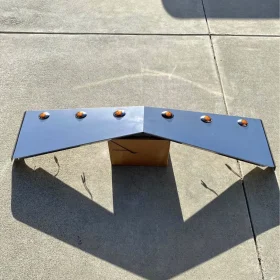
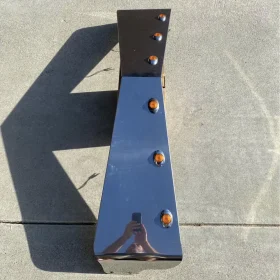
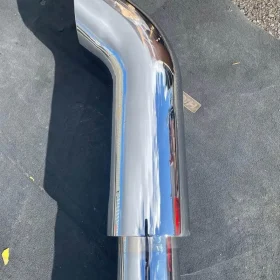
USED 7 Inch Stacks
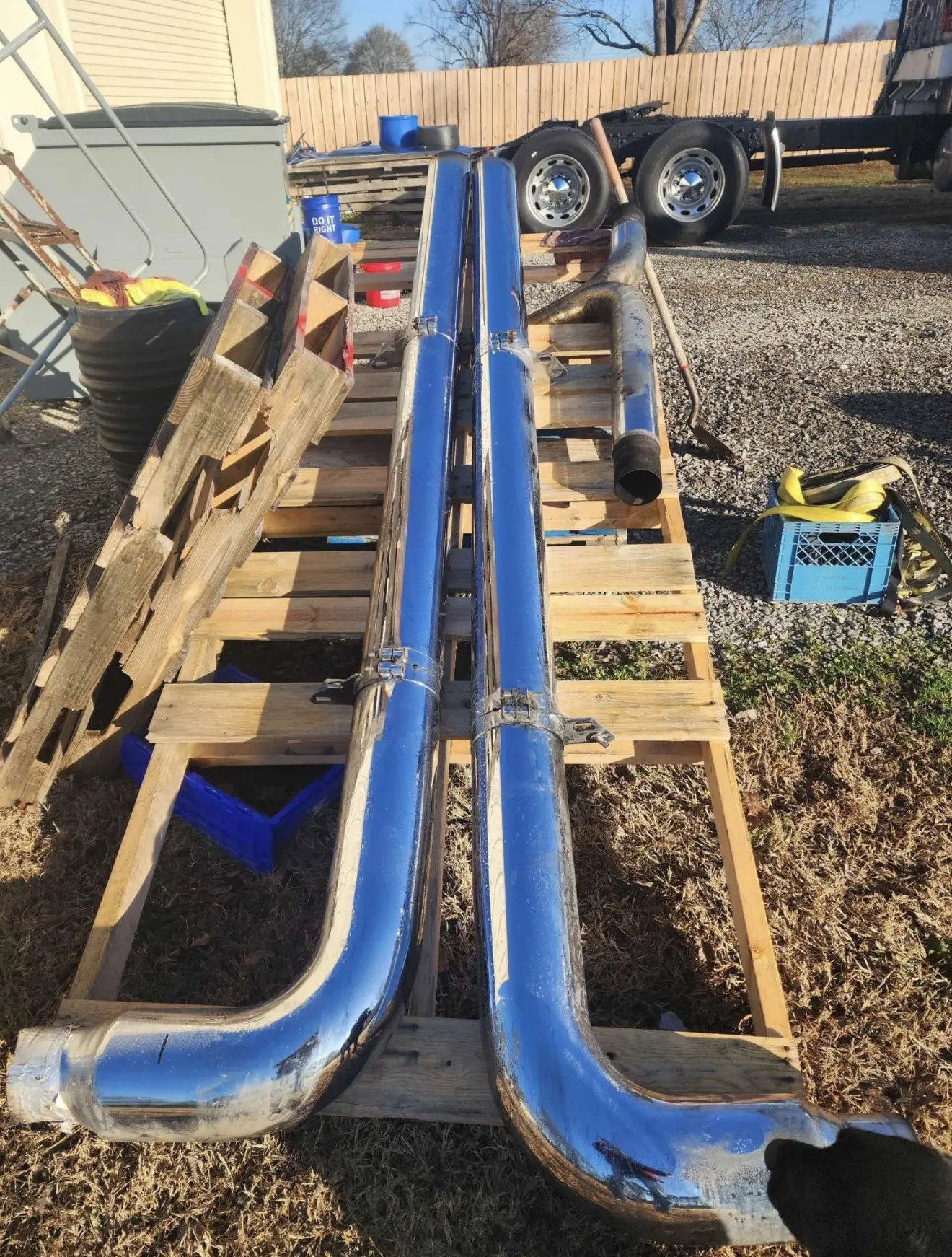
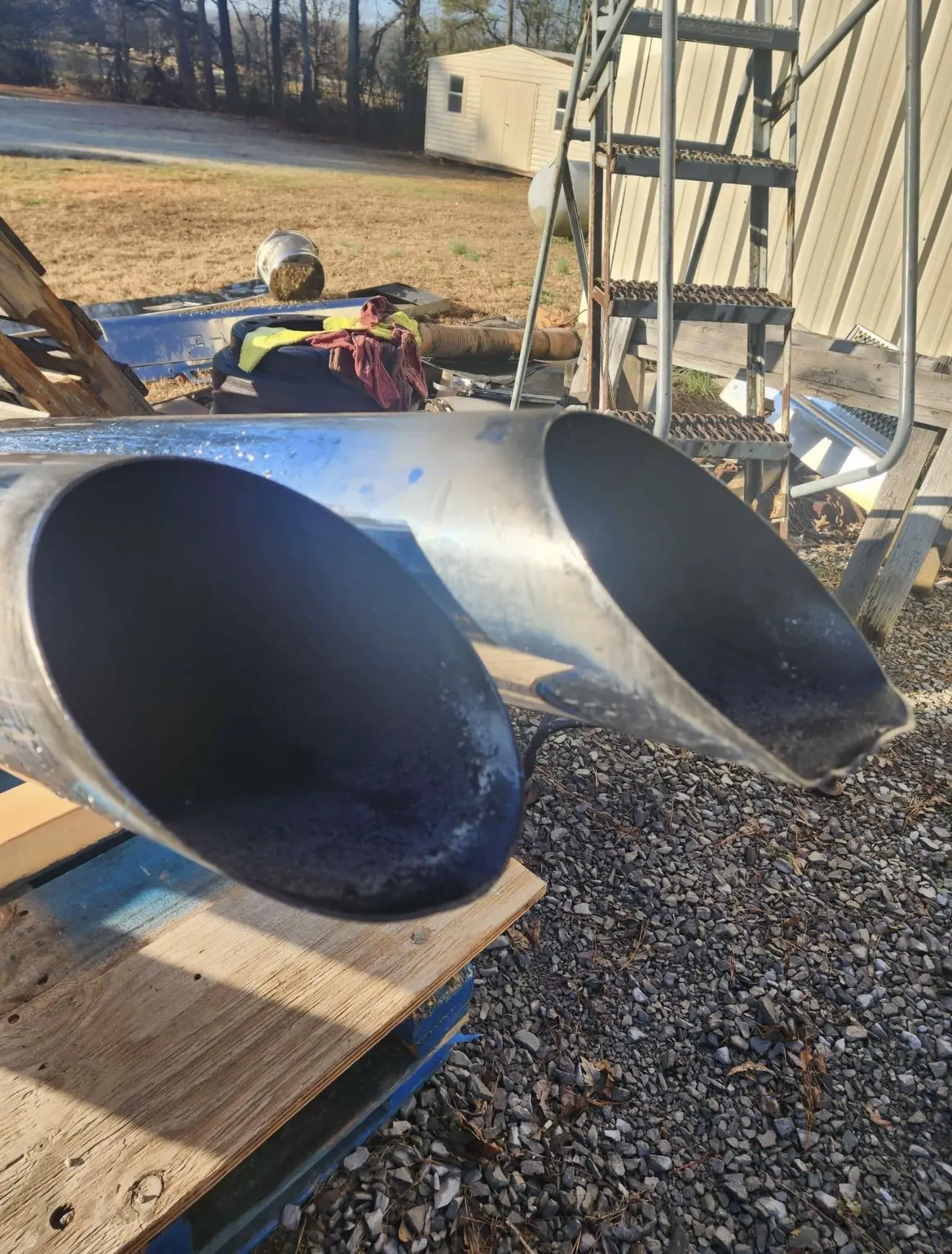
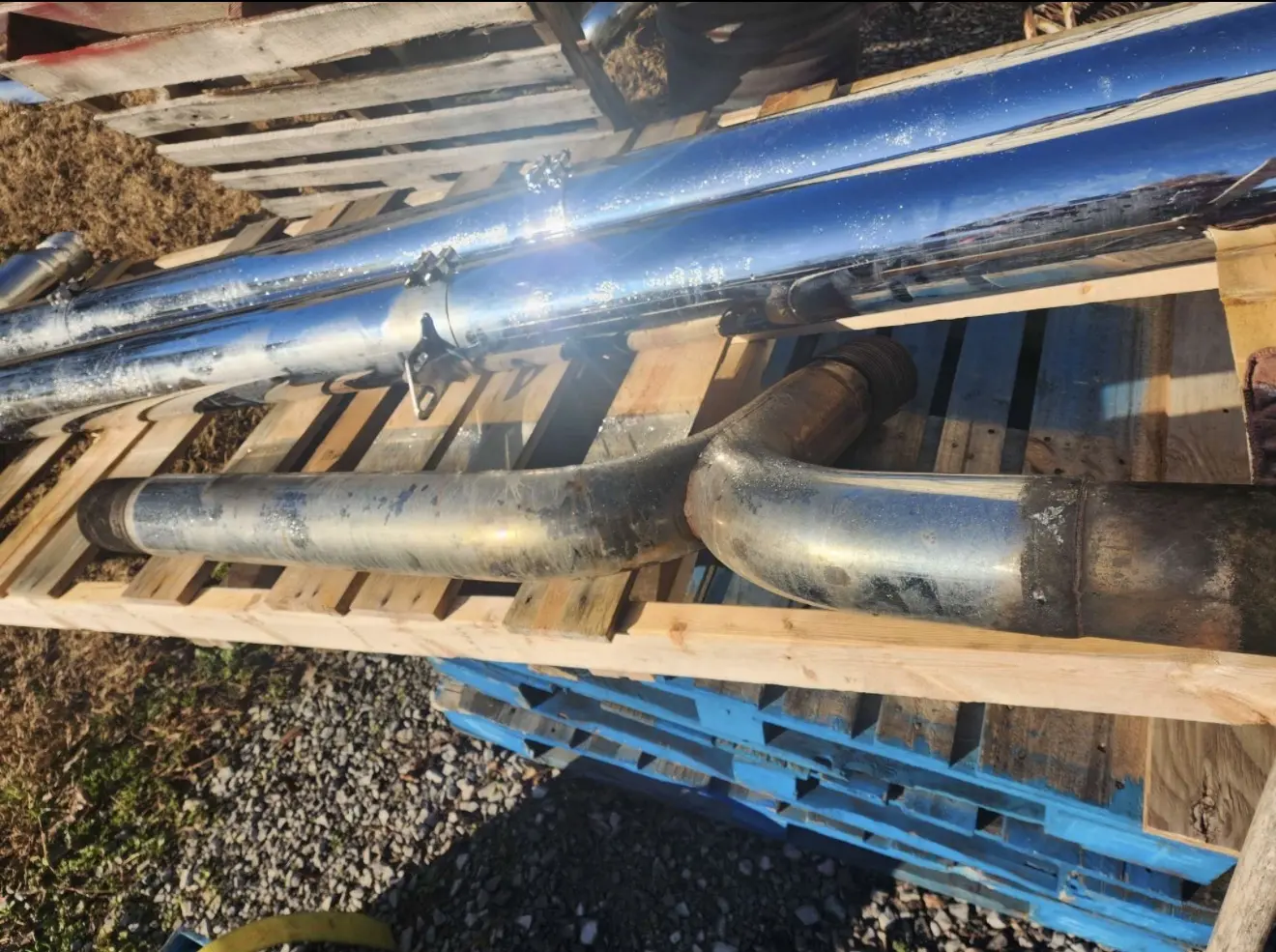
USED 7 Inch Stacks
$500.00
Explore exhaust stack truck systems and accessories for heavy-duty vehicles. Find quality exhaust stacks designed for durability, performance, and a classic truck look.
Add to cart
Guaranteed Safe Checkout

Free
Worldwide Shopping
100%
Guaranteed Satisfaction
30 Day
Guaranteed Money Back
Exhaust Stack Truck: The Complete Guide to Choosing the Right Exhaust Stacks
An exhaust stack truck setup is one of the most recognizable features of a classic heavy-duty truck. Beyond its distinctive appearance, a properly designed stack system provides a practical way to route diesel exhaust away from the cab while giving truck owners the opportunity to customize the look and sound of their rigs.
For owner-operators, fleet managers, and truck enthusiasts, choosing the right exhaust system involves more than selecting a diameter or finish. You need to consider truck model, cab configuration, stack height, mounting points, pipe dimensions, material, clearance, and compatibility with the rest of the exhaust system.
Modern manufacturers offer everything from complete exhaust stack kits to individual elbows, pipes, mufflers, clamps, extensions, and mounting hardware. For classic trucks such as the Peterbilt 379, specialized systems make it possible to achieve the traditional tall-stack appearance while maintaining a properly fitted exhaust configuration.
This guide explains what to look for when shopping for exhaust stacks, how stack sizes affect a truck’s appearance, and what to know before choosing semi truck exhaust stacks for a working or show truck.
What Is an Exhaust Stack Truck?
An exhaust stack is a vertically oriented exhaust pipe that carries engine exhaust upward and above the truck cab. Instead of routing exhaust horizontally or underneath the vehicle, a stack system places the visible exhaust outlets behind or beside the cab.
The term exhaust truck stacks generally refers to these vertical pipes and the components used to connect them to the truck’s existing exhaust system. They are particularly popular on conventional Class 8 trucks, where the stacks contribute significantly to the traditional long-nose truck appearance.
A complete system can contain several components, including:
- Upper stack pipes
- Curved elbows
- Lower exhaust pipes
- Mufflers
- Stack extensions
- Mounting brackets
- Clamps
- Heat shields
- Rain caps or stack tops
- Reducers and connectors
The exact configuration depends on the truck and the desired installation. A replacement stack is not necessarily a complete exhaust system, so buyers should determine which components are already installed before ordering parts.
Why Exhaust Stacks Are Popular on Semi Trucks
The popularity of semi exhaust stacks comes from a combination of function, tradition, and appearance. Tall chrome stacks have been associated with conventional American trucks for decades, especially among drivers who prefer the classic look of models such as the Peterbilt 359, Peterbilt 379, and Peterbilt 389.
One major advantage is exhaust routing. A properly installed vertical system directs exhaust upward rather than releasing it immediately alongside the truck body. The system must still be designed and installed correctly, but the vertical configuration is an established approach for heavy-duty applications.
Appearance is another major factor. Polished chrome or aluminized stacks can dramatically change the visual profile of a truck. For a restored classic truck, matching the stack diameter, height, elbow angle, and finish to the truck’s existing configuration can make the entire vehicle look more cohesive.
There is also considerable flexibility. Drivers can choose different diameters, lengths, tops, finishes, and configurations to create a style ranging from understated and functional to the unmistakable “big rig” appearance.
Choosing Semi Truck Exhaust Stacks
Selecting semi truck exhaust stacks starts with compatibility. The stack must work with the truck’s existing exhaust components and mounting system.
Before purchasing, identify the following:
Truck make, model, and year
Different trucks use different exhaust configurations. A stack designed for one model should not automatically be assumed to fit another. Even different production years of the same model can have different configurations.
This is particularly important for classic trucks. Parts listings for Dynaflex systems, for example, distinguish applications for Peterbilt 379 models from other Peterbilt configurations.
Stack diameter
Diameter is one of the most noticeable characteristics. Common heavy-duty stack sizes include 5, 6, 7, and 8 inches, depending on the application.
Larger stacks create a more substantial visual presence, but bigger does not automatically mean better. The correct diameter should be based on the complete exhaust configuration and the components used to connect the stack to the truck.
Stack height
Height affects both appearance and installation. The stack needs to clear the cab and other surrounding components while remaining suitable for the truck’s intended operation.
A useful approach is to measure from the center of the mounting location to the desired top height before ordering. Manufacturer-specific charts and application information can help determine appropriate lengths. Dynaflex application information, for example, provides model-specific stack configurations and height guidance.
Finish and construction
Chrome stacks are popular because they deliver the classic polished appearance associated with traditional show and working trucks. Aluminized and other finishes can also be appropriate depending on the application.
Construction quality matters because exhaust components experience substantial heat, vibration, weather exposure, and road conditions. Choose components designed for heavy-duty use rather than treating the exhaust system like an ordinary automotive accessory.
Dynaflex Exhaust Systems for Classic Trucks
When discussing premium truck stack systems, dynaflex exhaust products are frequently associated with classic Peterbilt applications. Dynaflex offers stack components and modular systems for models including the Peterbilt 359, 379, and 389.
One notable feature of its Z-Series systems is the Taper-Loc modular connection. Dynaflex describes the system as a way to create a modular multi-piece stack while maintaining a seamless appearance when properly assembled with the appropriate clamps.
This modular approach can make a difference when shipping, replacing, or configuring tall stack systems. Instead of dealing with a single extremely long component, the system can be assembled from multiple pieces.
Dynaflex also offers model-specific configurations rather than relying on a universal one-size-fits-all design. That is particularly useful for owners restoring older trucks where cab and mounting dimensions need to be taken seriously.
Understanding 8 Inch Stacks for Peterbilt 379
Few combinations are more recognizable among classic-truck enthusiasts than 8 inch stacks for Peterbilt 379 models. The large-diameter stack creates an aggressive, traditional appearance that fits the proportions of the long-nose 379 particularly well.
However, anyone considering peterbilt 8 inch stacks should verify the entire configuration before buying. Diameter alone does not determine compatibility.
The installation may require the correct elbow, spool, lower pipe, clamps, mounts, and other components. Manufacturer catalogs have historically offered Peterbilt 379 stack configurations in multiple diameters, including 8-inch systems and transitions from larger stack diameters to smaller connecting pipes.
This is why simply searching for an 8-inch pipe may not be enough. The better approach is to identify the complete system required for the truck.
Peterbilt 379 Stacks: What to Check Before Ordering
For peterbilt 379 stacks, verify:
- Model year and exact truck configuration.
- Existing exhaust pipe diameter.
- Desired stack diameter.
- Elbow angle and orientation.
- Overall stack height.
- Mounting bracket location.
- Muffler compatibility.
- Required clamps and connectors.
- Cab and sleeper clearance.
- Local exhaust and noise requirements.
Peterbilt 379 trucks were produced over many years and are commonly modified, restored, and customized. As a result, the truck sitting in front of you may not have its original exhaust configuration.
Exhaust Pipes for 379 Peterbilt Trucks
When replacing exhaust pipes for 379 Peterbilt trucks, measure the existing system rather than relying entirely on a previous owner’s parts list.
A stack system typically works as a chain of connected components. The lower pipe connects to the truck’s exhaust routing, an elbow changes direction toward the vertical stack, and upper sections complete the visible portion of the system.
The measurements need to work together. An incorrect pipe diameter or elbow can prevent proper assembly, while an incorrect length can create clearance or installation problems.
For that reason, complete application-specific kits can be preferable to mixing unrelated components. Dynaflex’s Peterbilt stack documentation illustrates how elbow geometry, spool pieces, stack diameter, and mounting components are treated as part of a complete configuration.
Should You Buy an Exhaust Stack Kit?
For many installations, an exhaust stack kit is the most straightforward option. A kit can bring together components intended to work as a system instead of forcing the buyer to identify every individual part.
A typical kit may include:
- Stack pipes
- Elbows
- Mufflers
- Spool sections
- Clamps
- Mounting hardware
- Stack tops or related accessories
The exact contents vary by manufacturer and application. Some suppliers sell components individually, while others offer complete configurations that allow customers to select the desired top pipe, center spool, lower elbow, and clamps.
Before purchasing, confirm exactly what is included. A product described as a “kit” may not contain every component necessary for installation.
Exhaust Stacks for Pickup Trucks
The market for exhaust stacks for pickup trucks is different from the market for Class 8 semi trucks. Pickup applications require careful consideration of bed layout, cab clearance, exhaust routing, engine configuration, and intended use.
A pickup truck does not automatically need the same large stack diameter used on a conventional semi. The correct configuration depends on the vehicle and exhaust system.
For a custom pickup build, the stack should be selected as part of the complete exhaust design. Think about where the pipe exits, how it is supported, whether it interferes with cargo or accessories, and how heat is managed around the cab and bed.
A visually impressive stack is only a good modification if it is properly integrated with the vehicle.
Tractor Trailer Exhaust Parts: Build the System Correctly
When shopping for tractor trailer exhaust parts, avoid thinking about individual pipes in isolation. The exhaust system functions as a complete assembly, and every connection matters.
Important components may include:
- Exhaust tubing
- Stack pipes
- Mufflers
- Elbows
- Clamps
- Hangers
- Brackets
- Heat shields
- Reducers
- Stack tops
- Mounting hardware
The right combination depends on the truck’s engine, chassis, existing exhaust configuration, and intended application.
Quality mounting is especially important on a tall stack. A long vertical pipe is exposed to vibration and movement, so the system must be properly supported. A poorly supported stack can place unnecessary stress on connections and surrounding components.
Maintenance Tips for Exhaust Stacks
Even high-quality exhaust stacks require routine inspection. Chrome and polished surfaces can show discoloration, road grime, and soot, while clamps and mounting hardware can loosen over time.
Inspect the system periodically for:
- Cracks or damaged pipes
- Loose clamps
- Corrosion
- Exhaust leaks
- Damaged brackets
- Contact with nearby components
- Heat damage
- Excessive vibration
- Discoloration around joints
Cleaning polished stacks regularly helps maintain their appearance. More importantly, inspections can identify mechanical problems before they become larger repairs.
For working trucks, exhaust inspection should be part of the normal vehicle maintenance routine. Any unusual exhaust noise, visible leak, excessive vibration, or change in system appearance deserves attention.
Final Thoughts on Choosing an Exhaust Stack Truck System
An exhaust stack truck setup can completely transform the appearance of a heavy-duty vehicle while providing a practical vertical exhaust configuration. Whether you are restoring a classic Peterbilt, upgrading a working semi, or building a custom truck, the key is to choose components based on the complete vehicle rather than appearance alone.
For owners of classic trucks, peterbilt 379 stacks, peterbilt 8 inch stacks, and other large-diameter configurations offer the unmistakable look associated with traditional American trucking. Brands such as Dynaflex provide application-specific systems and modular components designed around particular truck models and stack configurations.
The best purchase begins with accurate measurements and a clear understanding of what your truck already has. Confirm the model, year, diameter, mounting points, elbow configuration, stack height, and required hardware before ordering. If you are replacing an entire system, a properly matched exhaust stack kit can simplify the process and reduce the risk of incompatible components.
Most importantly, prioritize fit, durability, proper support, and safe exhaust routing. A great-looking stack system should not merely stand out—it should be engineered and installed to work as part of the truck.
Google’s current guidance also emphasizes that successful search content should be helpful, reliable, comprehensive, and created primarily for people rather than written simply to manipulate rankings. This article therefore treats the requested keywords naturally while focusing on the practical information a truck owner actually needs when researching exhaust stacks.
Whether your goal is a classic restoration, a working-truck upgrade, or a custom appearance, the right exhaust system starts with the right components and a proper understanding of your truck. Choose the system carefully, verify compatibility, and invest in components built for the demands of heavy-duty trucking.
Related products
12.25×22.5 wheels
$250.00
2017 PETERBILT 389 Sleeper
$2,100.00

Bostrom ProRide Seats
$550.00