- Empty cart.
- Continue Shopping
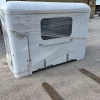
Kenworth non aero cab 42 inch flat top sleeper
-8%
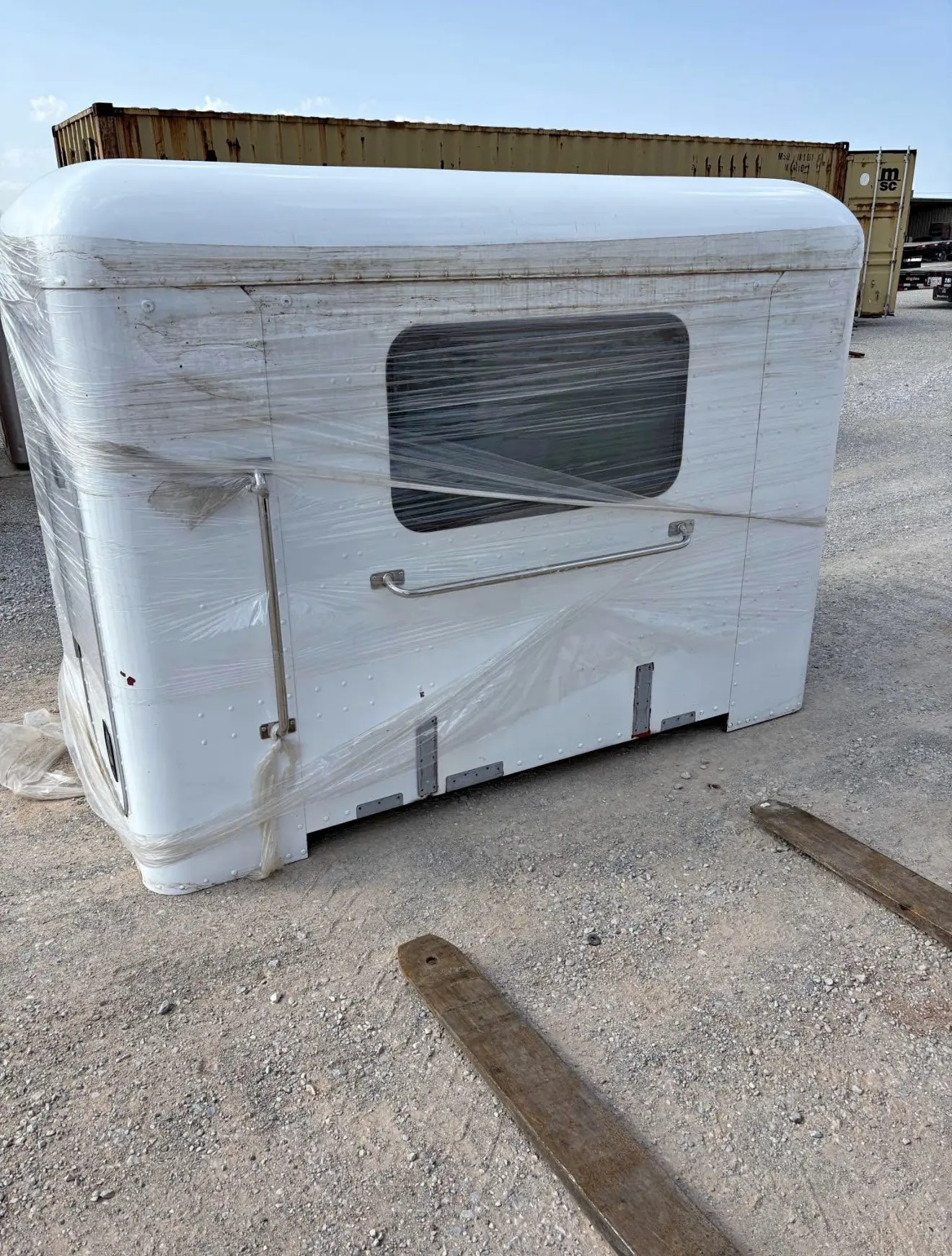
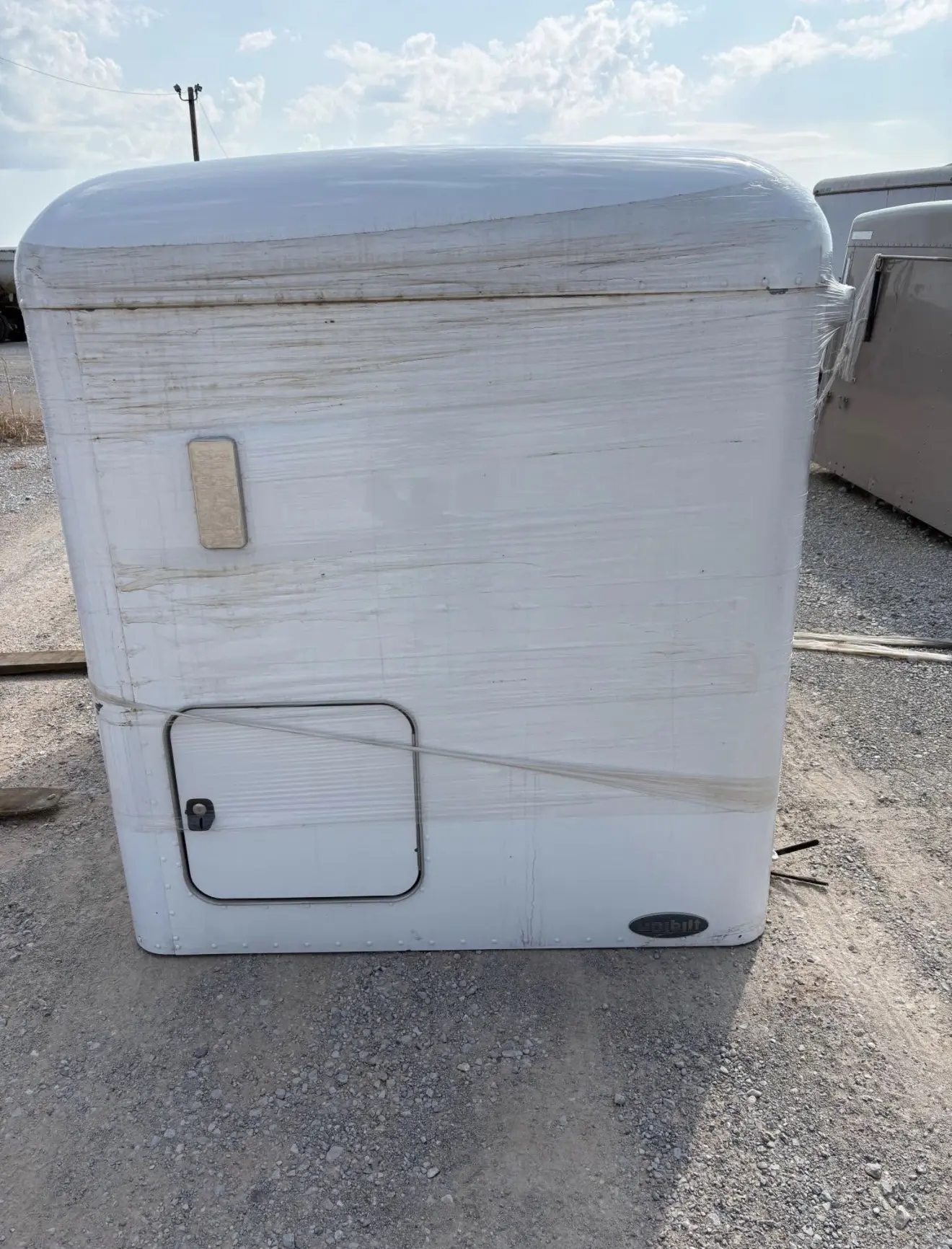
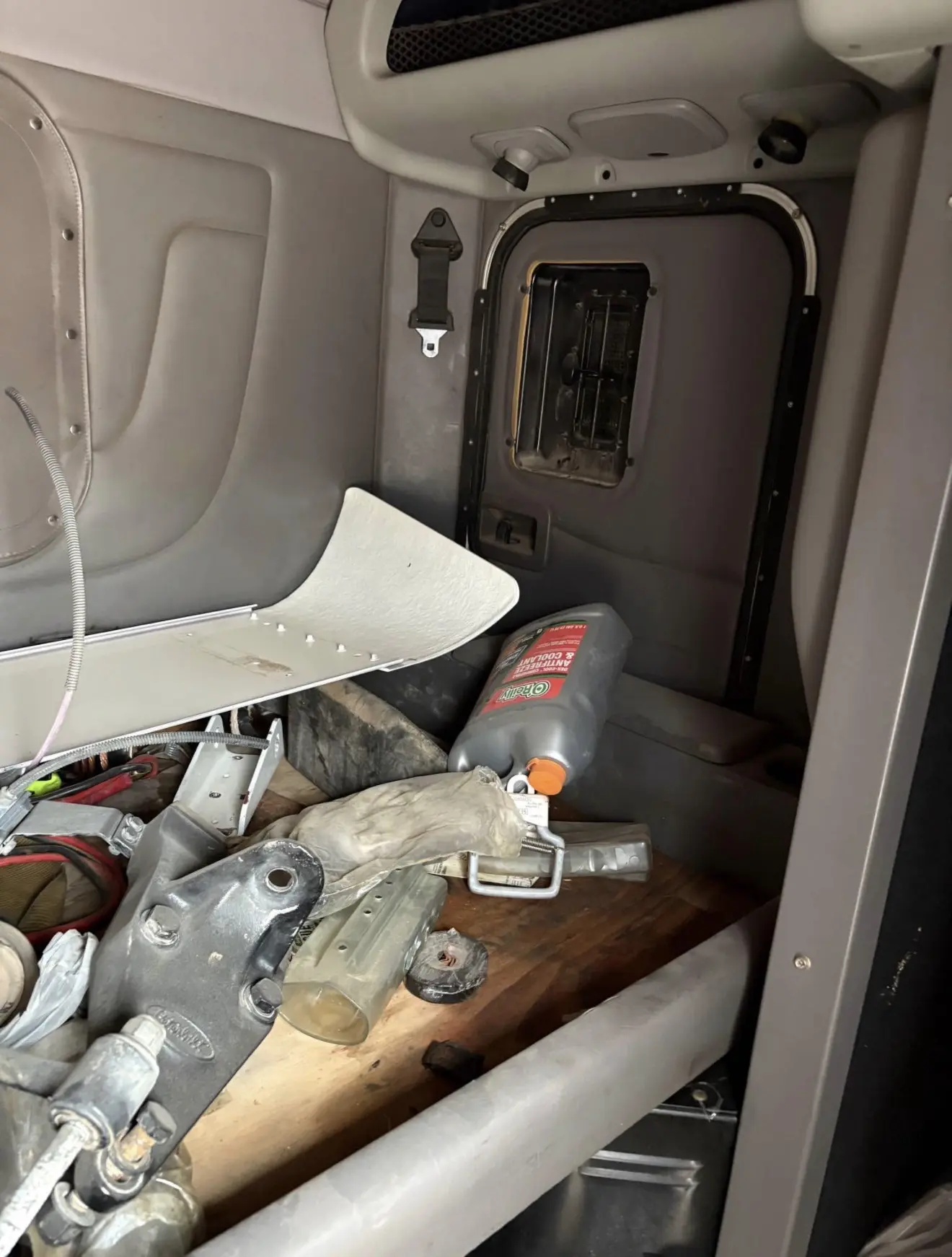
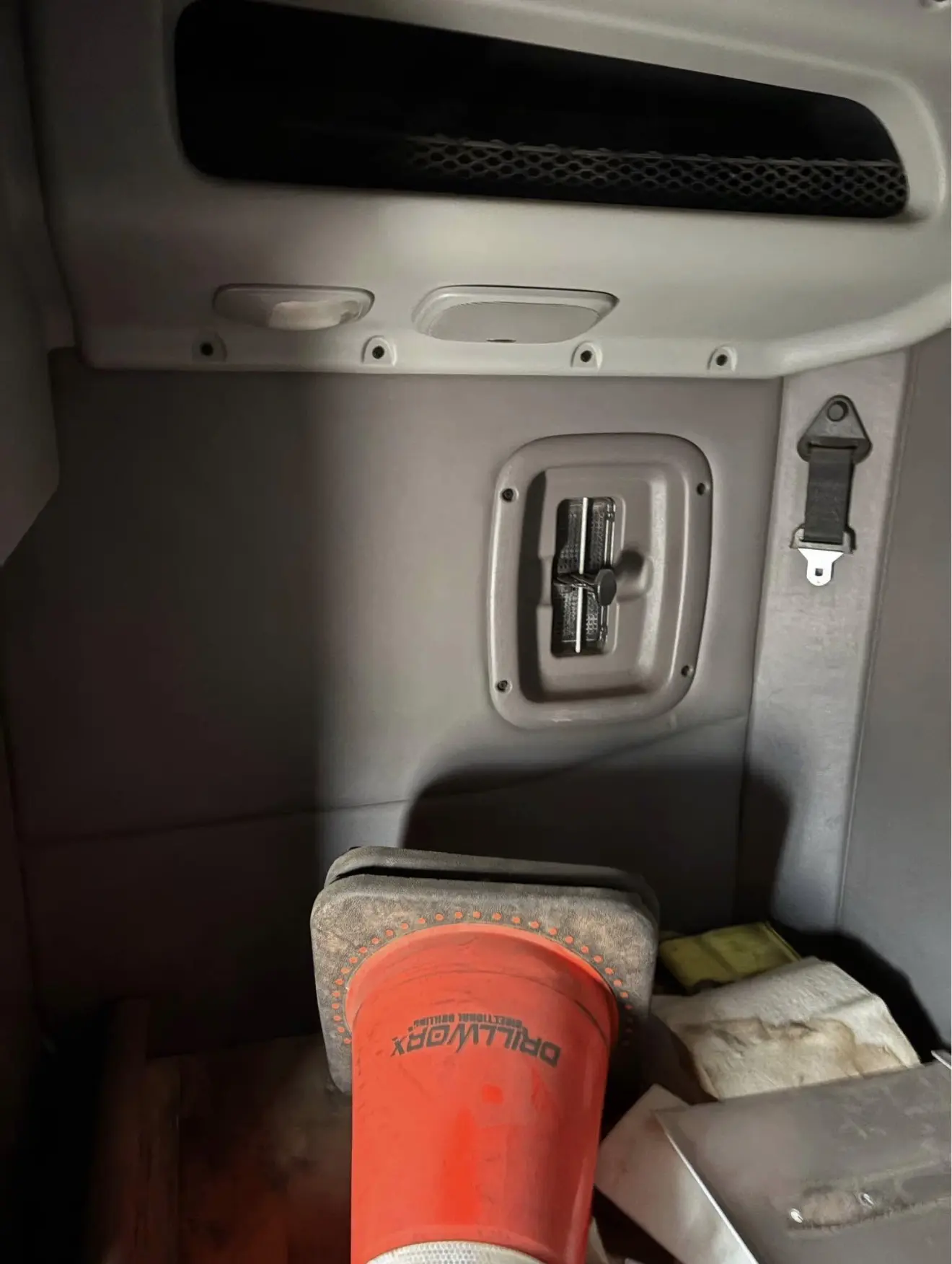

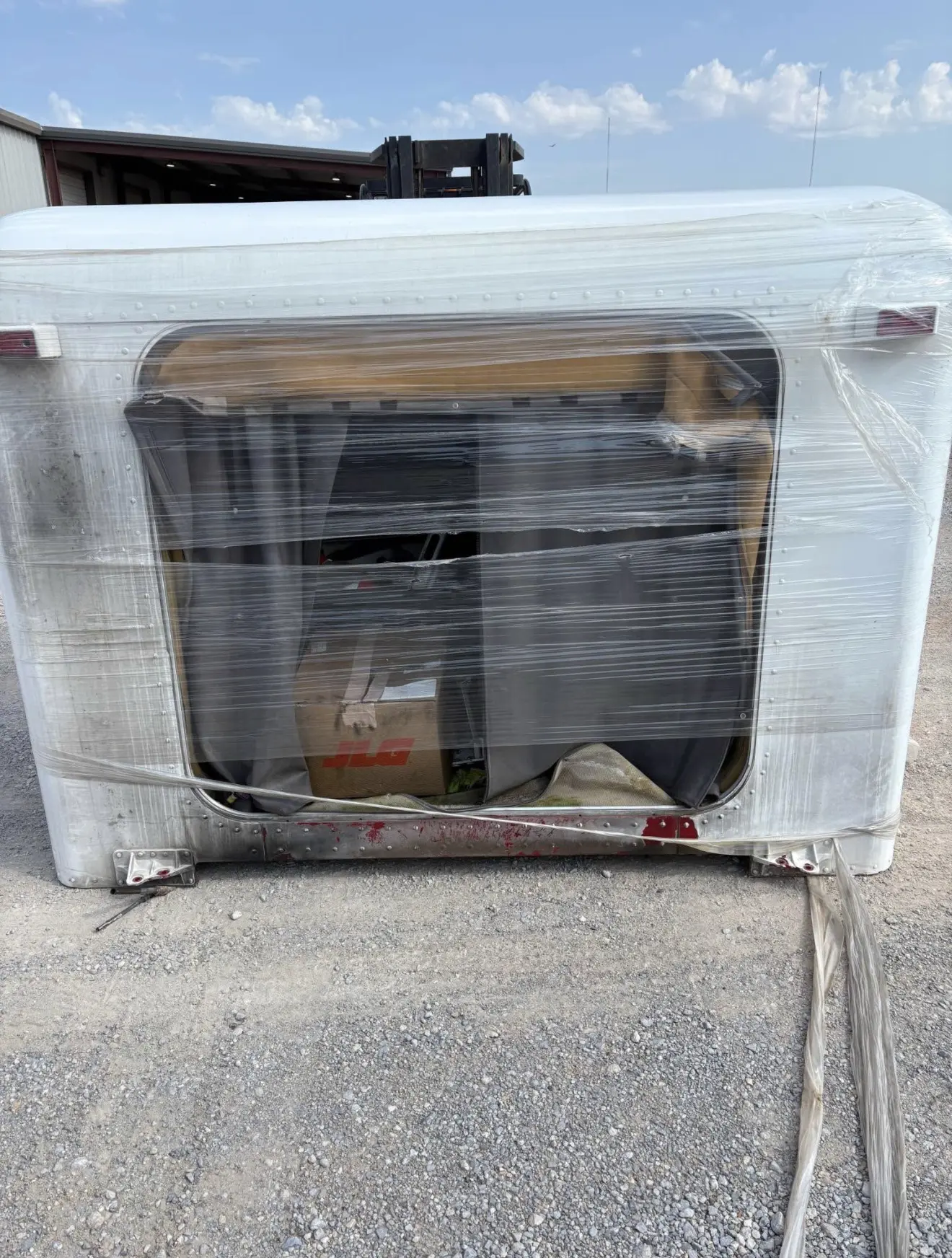
Kenworth non aero cab 42 inch flat top sleeper
$1,850.00Current price is: $1,850.00. Original price was: $2,000.00.
Shop Kenworth non aero cabs for heavy-duty trucks. Find quality used Kenworth non-aero truck cabs for replacement, repair, restoration, and custom builds.
Add to cart
Guaranteed Safe Checkout

Free
Worldwide Shopping
100%
Guaranteed Satisfaction
30 Day
Guaranteed Money Back
Kenworth Non Aero Cab
Looking for a reliable Kenworth Non Aero Cab for your heavy-duty truck? Finding the correct replacement cab is an important part of repairing, rebuilding, or restoring a Kenworth. A quality used truck cab can provide a practical solution when the original cab has been damaged, heavily worn, or is no longer suitable for your project.
Kenworth trucks are widely recognized for their durable construction and long service life. Many older Kenworth models continue to be used for hauling, vocational applications, custom builds, and restoration projects. When a cab needs to be replaced, finding a compatible non-aero configuration can help preserve the truck’s original design and appearance.
What Is a Kenworth Non Aero Cab?
A Kenworth non aero cab generally refers to a conventional Kenworth cab configuration that does not use the integrated aerodynamic cab and sleeper design associated with Aerocab models. Non-aero configurations are found across several Kenworth applications and are particularly familiar among owners of traditional and older heavy-duty trucks.
Fitment can vary considerably between models and production years. For example, replacement and conversion suppliers distinguish between non-aero and Aerocab configurations, making it important to identify the exact cab style before purchasing.
A non-aero cab may be suitable for repair projects, complete cab replacements, restoration work, or custom truck builds. However, the exact dimensions, mounting points, doors, windows, wiring, interior components, and sleeper connection should be verified before installation.
Used Kenworth Non Aero Cab
A used Kenworth non aero cab can be a cost-effective alternative to purchasing a new replacement cab. Used truck cabs are often sourced from trucks that have been dismantled, retired, damaged, or rebuilt.
For truck owners working on an older Kenworth, a used cab can provide access to original-style components that may be difficult to find elsewhere. It can also be useful when repairing a truck that has experienced collision damage or significant corrosion.
The condition of a used cab can vary, so careful inspection is recommended. Check the cab structure, roof, floor, firewall, door openings, window openings, mounting areas, and other structural sections for damage.
Cosmetic imperfections such as scratches, faded paint, dents, or surface wear may be acceptable depending on your project. A restoration project may require additional bodywork and repainting, while a working truck may prioritize structural condition and compatibility.
Kenworth Cab Replacement
Replacing a truck cab is a significant project, so identifying the correct replacement before purchasing is important. A Kenworth cab replacement needs to match the truck’s chassis and related components as closely as possible.
Important factors to compare include:
- Kenworth model
- Model year
- Cab configuration
- Non-aero or Aerocab design
- Mounting points
- Cab dimensions
- Door configuration
- Window openings
- Sleeper connection
- Interior configuration
- Electrical connections
- Overall condition
A cab that looks similar to your original may still have important differences. Comparing photographs, dimensions, mounting locations, and other specifications can help reduce fitment problems.
Professional inspection may also be appropriate when determining whether a used cab is structurally suitable for your truck.
Kenworth Non Aero Cab Models
Kenworth has produced a wide range of conventional heavy-duty trucks, and cab configurations have changed over time. Models such as the W900 and T800 are associated with traditional Kenworth styling, while other models have used different cab and sleeper configurations.
Suppliers also distinguish between non-integrated and aerodynamic cab designs when providing conversion or replacement components. Some conversion products specifically list non-Aerocab applications and exclude Aerocab models, demonstrating why confirming cab type is important before ordering.
If you are replacing a cab, do not rely solely on the truck’s model name. The model year, cab style, sleeper configuration, and existing components can all affect compatibility.
Restore a Classic Kenworth
A Kenworth non aero cab can be an important component in a classic truck restoration. Traditional Kenworth trucks have a distinctive appearance that many owners want to preserve.
Restoring an older Kenworth can involve replacing the cab, doors, windows, interior panels, seats, dashboard components, exterior trim, and other parts. Using a compatible cab can provide a strong foundation for the remainder of the restoration.
After installation, the cab may require bodywork, paint, interior finishing, and component installation. Matching the replacement cab to the existing frame and sleeper configuration is an important part of creating a professional finished result.
Non Aero Cab for Custom Truck Builds
Used Kenworth cabs can also be useful for custom truck projects. Truck enthusiasts may use replacement cabs when creating a unique build or modifying an existing heavy-duty chassis.
A non-aero design can be particularly appealing for owners who prefer the traditional appearance of a conventional Kenworth. The cab can be combined with custom bumpers, grilles, exhaust stacks, fuel tanks, wheels, fenders, and other accessories to create a personalized truck.
When planning a custom build, consider the relationship between the cab, frame, hood, sleeper, doors, and electrical systems. Any major modification should be carefully planned and completed using appropriate procedures.
Inspecting a Used Kenworth Cab
Before purchasing a used Kenworth non aero cab, inspect the component carefully or request detailed information about its condition.
Look for:
- Structural damage
- Rust or corrosion
- Previous collision repairs
- Damaged mounting points
- Cracks
- Door opening damage
- Window opening damage
- Floor deterioration
- Roof damage
- Missing components
- Interior condition
The condition of the cab can affect the amount of work required after purchase. A structurally sound cab may require only cosmetic repairs, while a heavily damaged cab could require extensive restoration.
It is also important to determine which components are included. Doors, windows, wiring, interior panels, trim, seats, and other parts may or may not be included with a used cab.
Finding the Right Kenworth Non Aero Cab
The best way to find the right Kenworth non aero cab is to start with your truck’s exact specifications. Record the model, year, cab style, sleeper configuration, and other identifying information.
Compare the replacement cab with your existing cab whenever possible. Pay particular attention to mounting locations and overall dimensions. Photos can also be useful when comparing body styles and configurations.
If you are uncertain about fitment, consult a qualified heavy-duty truck professional before purchasing. Proper identification can help prevent costly compatibility issues during installation.
Shop Kenworth Non Aero Cabs
Whether you are repairing a damaged truck, restoring a classic Kenworth, or building a custom heavy-duty vehicle, a Kenworth Non Aero Cab can provide an important replacement component.
A quality used cab can be a practical and economical option for truck owners who need a replacement while maintaining a traditional Kenworth appearance. Before purchasing, verify the model, year, cab configuration, dimensions, mounting points, sleeper connection, and overall condition.
Browse available Kenworth non aero cabs and compare the specifications and condition of each option. With the right replacement cab, you can move forward with your repair, restoration, or custom truck project while maintaining the classic character of your Kenworth.